A New Hope for Wildlife: India Celebrates Four Healthy Cheetah Cubs Born in the Wild
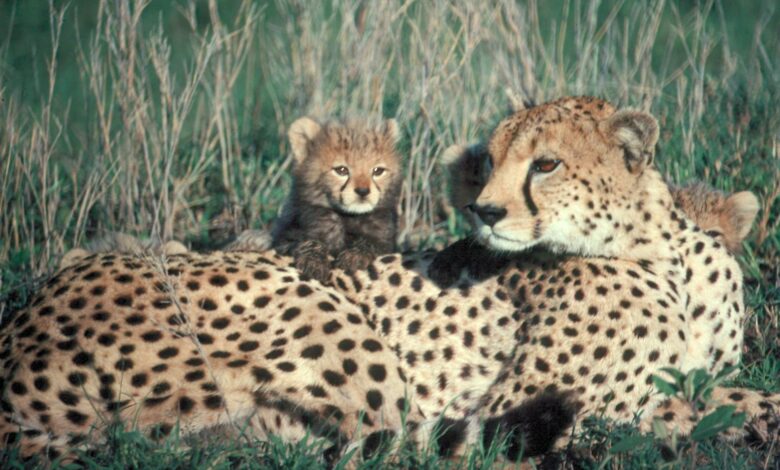
India has reached a triumphant juncture in its long term and ambitious ecological mission to restore a historically significant predator to its native landscape. The endeavor to revive a viable cheetah population within the country achieved a monumental success this week as the national conservation community celebrated a major biological milestone. Union Minister for Environment, Forest and Climate Change Shri Bhupender Yadav officially announced that a specific cheetah named KOMG 3, who is a two and a half year old female originally transported to India from the nation of Botswana, has successfully given birth to a litter of four healthy cubs in an open wild environment. This specific event holds immense weight as it represents only the second instance of a cheetah birth recorded in the wild since the comprehensive reintroduction programme was formally inaugurated in 2022. Furthermore, this instance marks the very first time that a female cheetah originating from Botswana has successfully produced offspring on Indian soil, signaling a robust adaptation to the local habitat.
A Landmark Milestone for Global Conservation
The birth of these four cubs is considered a definitive landmark moment for the ongoing national initiative known as Project Cheetah. The mother, KOMG 3, demonstrated incredible resilience and adaptability by roaming the wild landscape independently for a period spanning more than four months before finally giving birth under completely natural conditions without direct human interference. The arrival of these new cubs brings the total count of the cheetah population within India to 62 individuals. Within this growing population, 43 individuals have now been born directly on Indian soil, which serves as a testament to the biological success of the project. This steady and encouraging growth in the overall population numbers highlights the profound effectiveness of the current conservation strategies and illustrates the absolute dedication of the various teams tasked with the day to day management of the reintroduction program as they monitor each individual animal.
The Dedicated Human Effort Behind the Success
Behind the visible success of this milestone lie the deep layers of perseverance and the immense hard work contributed by a diverse group of project managers, expert veterinarians, and the vital frontline forest staff who patrol the reserves. Union Minister for Environment, Forest and Climate Change Shri Bhupender Yadav publicly acknowledged the tireless and often invisible efforts of these professionals, noting that their unwavering dedication to the specific goals of the project has been absolutely essential to the steady progress observed since the inception of the program. The birth of these cubs serves as a powerful and emotional reminder that the complex process of conservation is a long term journey that necessitates extreme patience, persistent daily effort, and a collective commitment from all involved parties to the goal of restoring ecosystems to their former glory through scientific rigor and constant vigilance.
Restoring Vital Biodiversity for the Future
The entire reintroduction of the cheetah stands as a central component of a much broader and deeper commitment to comprehensive ecological restoration across India. By focusing specifically on creating protected environments where these magnificent animals can roam, hunt, and thrive, the project aims to establish a fully self sustaining population that requires minimal intervention over time. Each successful birth of a cub does not merely increase the total number of individuals but significantly strengthens the collective hope for the long term viability and survival of the species within the borders of India. As the program advances into its next phases, it remains a clear testament to the great things that can be accomplished when careful scientific planning is combined with the dedicated stewardship of field teams working directly in nature. This report draws on reporting originally published by pib.gov.in.
Source: pib.gov.in.
Photo: Cheetah lying in grass with cubs DPLA 6fe7431662ee54fb6155acf9f70fdfad Credit: Garst, Warren, 1922-2016, photographer (CC BY-SA 4.0). Photo source and permissions.
Prepared by the Global Impact Magazine AI assisted news desk from the cited sources.