Women Humanitarian Leaders Drive Vital Care Across West and Central Africa
In the remote regions of West and Central Africa, a group of nine women humanitarian leaders is proving that local expertise and persistent coordination can sustain life saving services even when global funding fluctuates. These leaders, who operate within the complex humanitarian environments of their respective nations, represent UNFPA offices across eight countries including Burkina Faso, Cameroon, the Central African Republic, Chad, Mali, Niger, Nigeria, and the Republic of Congo. By recently gathering in Dakar, they created a unique forum to share high level strategies for maintaining the integrity of health systems that serve millions of women and girls. Their collective presence in Dakar underscores a unified commitment to navigating the geographic and systemic hurdles that often characterize the delivery of essential health services in these vast and diverse nations.
Connecting Care in Remote Regions
The work performed by these leaders extends far beyond traditional medical delivery as they manage complex operations in areas where services are most scarce. They serve as the essential link between emergency protection, medical logistics, and local authorities who govern these territories. By maintaining constant and reliable ties with communities in areas often cut off from national infrastructure, they ensure that the chain of care remains unbroken for vulnerable populations. Their efforts have resulted in tangible outcomes that demonstrate the power of local oversight, such as the successful coordination of obstetric evacuations to district hospitals in Chad and the proactive mobilization of resources to retain skilled midwives in Cameroon. These actions represent a sophisticated approach to public health where the leaders act as bridges to bridge the gap between emergency needs and the medical facilities capable of providing permanent treatment.
Resilience Amidst Funding Challenges
The humanitarian landscape in these regions remains difficult, with the 2026 regional humanitarian appeal currently facing a significant funding shortfall that threatens to derail ongoing initiatives. Despite these financial constraints, the leaders have demonstrated remarkable ingenuity by maximizing the impact of every available asset. In the Central African Republic, teams successfully resuscitated newborns until they reached stability despite the scarcity of specialized equipment, while in Niger, they arranged critical care for a mother who gave birth during a flood evacuation that required immense logistical coordination. These actions highlight a steadfast commitment to human dignity that persists regardless of financial volatility, proving that the dedication of the staff on the ground is a primary factor in the survival of patients during acute crises.
Empowering Local Solutions
The gathering in Dakar served as a critical platform to emphasize that local presence is the most effective tool for humanitarian response in the region. By focusing on retaining skilled professionals and ensuring referral support is available during emergencies, these women are building a sustainable model of resilience that does not rely solely on external surges of aid. Their accounts confirm that even when resources are limited, the ability to reach women where they are remains the cornerstone of effective public health practice. By prioritizing these regional strategies, they demonstrate that local expertise is not merely a component of the response but the primary engine driving health improvements. This report draws on reporting originally published by UNFPA WCARO.
Source: UNFPA WCARO.
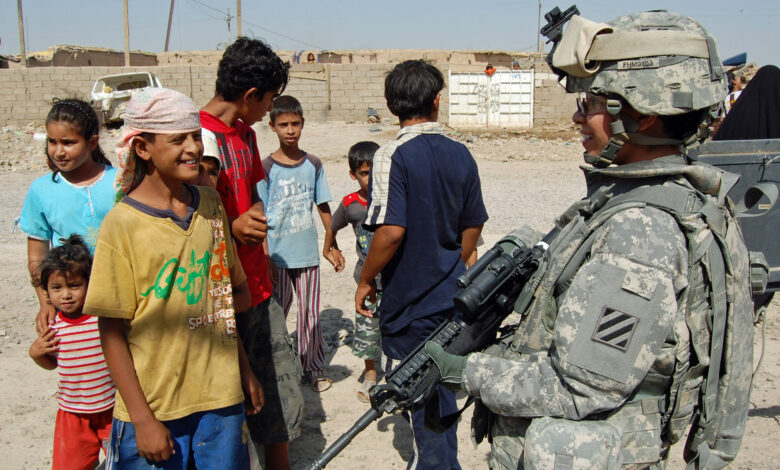
Photo: Making an impact, Desert Cat soldier volunteers for humanitarian aid drop DVIDS310223 Credit: U.S. Army photo by Sgt. Mary Katzenberger (Public domain). Photo source and permissions.
Prepared by the Global Impact Magazine AI assisted news desk from the cited sources.