Student Innovation Offers New Hope in Global Fight Against Counterfeit Malaria Tablets
A Critical Challenge for Public Health
The global fight against malaria faces a persistent and dangerous obstacle in the form of counterfeit medication. Falsified antimalarial treatments represent a grave threat to international health stability and are linked to an estimated 267000 deaths annually. This grim reality drains vital resources and serves to undermine public health efforts in vulnerable regions where consistent access to genuine medicine is truly a matter of life and death. Traditional detection methods often rely on inspecting packaging or utilizing expensive laboratory equipment. Both of these approaches are frequently unavailable in the rural and resource constrained areas where these fake tablets are most prevalent and where the danger is most acute.
A Breakthrough in Detection Technology
Jean D’Amour Kwizera who is a computing student at the University of Buckingham has developed a transformative solution to this urgent crisis. By leveraging sophisticated machine learning software Kwizera created a specialized tool capable of identifying counterfeit malaria tablets simply by analyzing a photograph taken on a standard smartphone. This technological innovation cleverly bypasses the need for complex infrastructure or specialized chemical testing. Instead it offers a portable and highly accessible screening method for healthcare workers and patients located in remote locations where clinical oversight might otherwise be limited. This system promises to bring a new level of diagnostic capability to the frontline of the struggle against medical fraud.
Measurable Success and Recognition
The effectiveness of this technology was clearly demonstrated during recent trials where the software correctly recognized 94 percent of genuine tablets from a single image. While the project remains in the important proof of concept phase its potential to safeguard lives is significant for public health initiatives. In recognition of his dedication and the potential impact of his work Kwizera was awarded the UK Overt Stem Impact Award this week. Reflecting on the long and difficult journey Kwizera noted that the award represents ten months of intense effort challenges and persistence. This recognition highlights the value of his research and the importance of finding new ways to secure the supply chain for essential medicines.
Empowering Communities Through Science
The development of this tool highlights the power of individual ingenuity to address systemic global health challenges. By providing a truly accessible way to verify the authenticity of life saving treatments this technology could empower communities to protect themselves against the dangers of falsified medicine. As the project moves forward it serves as a testament to how targeted scientific research can provide practical and scalable solutions to improve human dignity and health outcomes worldwide. This report draws on reporting originally published by Positive News. Research conducted at the University of Buckingham.
Source: University of Buckingham.
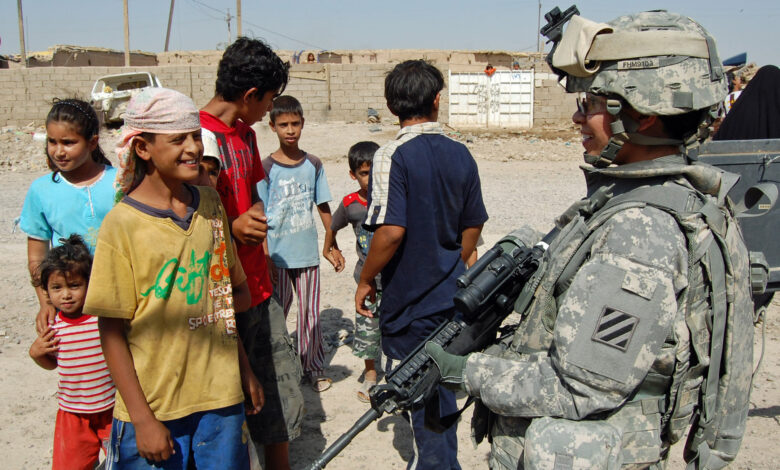
Photo: Making an impact, Desert Cat soldier volunteers for humanitarian aid drop DVIDS310223 Credit: U.S. Army photo by Sgt. Mary Katzenberger (Public domain). Photo source and permissions.
Prepared by the Global Impact Magazine AI assisted news desk from the cited sources.